Authored by: Captain SA | SA Rainbow News | 13 November 2026
Public Office-Bearers Receive Salary Increases Amid Unemployment Crisis, Raising Questions About Accountability Within the GNU
South Africa’s latest public office-bearer salary increases have reignited debate about political accountability, leadership priorities and the role of opposition parties within the Government of National Unity (GNU).
On Tuesday, 10 November 2026, President Cyril Ramaphosa approved salary increases ranging between 3.5% and 4% for public office-bearers for the 2026/27 financial year, effective retrospectively from 1 April 2026.
Under the approved adjustments, Cabinet ministers, Members of Parliament (MPs), provincial premiers and Members of Executive Councils (MECs) will receive increases of 3.5%. Judges, magistrates, traditional leaders and members of independent constitutional institutions will receive increases of 4%.
The decision has, however, raised an important question: Is it appropriate for political leaders to receive salary increases while millions of South Africans continue to struggle with unemployment, poverty and the rising cost of living?
#SouthAfrica #PoliticalAccountability #GNU

A Growing Divide Between Political Leaders and Ordinary Citizens
The timing of the increases has attracted criticism, particularly against the backdrop of South Africa’s economic challenges.
According to the figures cited in the debate, the country’s official unemployment rate stood at 33.6% in the second quarter of 2026, with more than 8.5 million people actively seeking employment. Youth unemployment among people aged 15 to 34 was reported at 47.4%, highlighting the difficult circumstances facing young people entering the labour market.
Meanwhile, millions of financially vulnerable South Africans continue to depend on government assistance, including the Social Relief of Distress (SRD) grant, which remains at R370 per month.
For many households, this amount is expected to cover essential needs in an increasingly expensive economic environment. The contrast is particularly concerning when measured against the food poverty line, which the supplied figures place at R855 per person per month.
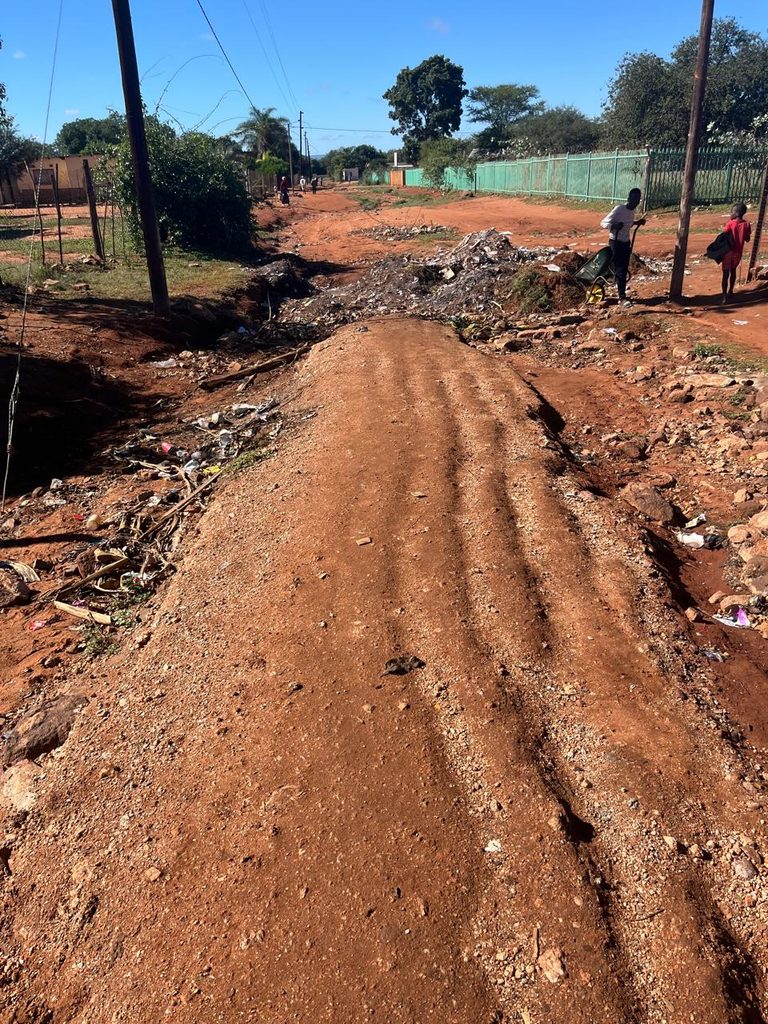
In communities across Blouberg, including Senwabarwana, Alldays and Bochum, families continue to face the daily realities of unemployment, inadequate infrastructure and limited economic opportunities.
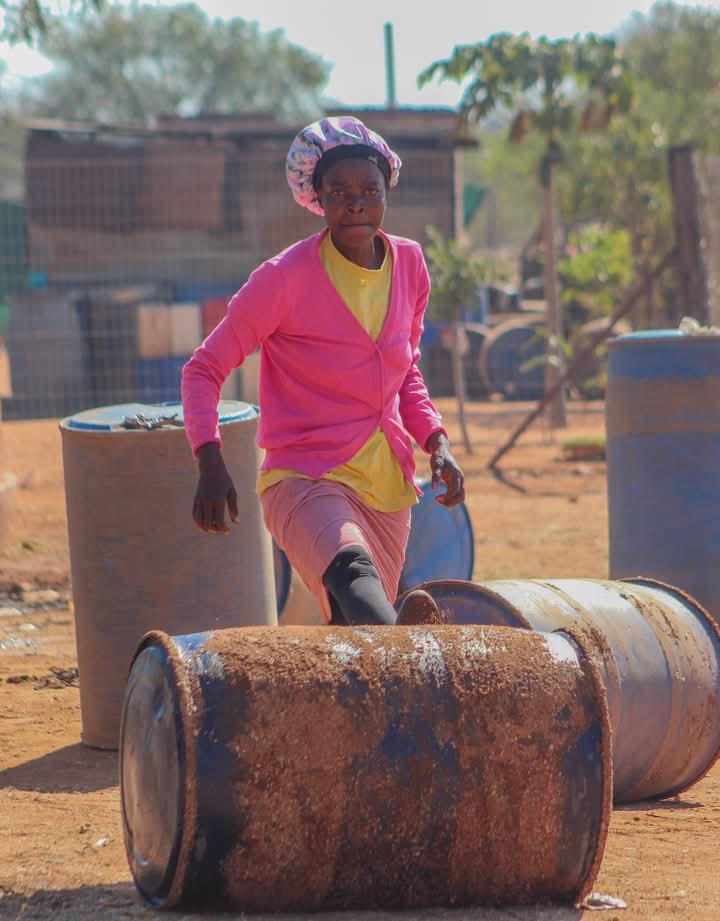
A grandmother, an unemployed young graduate or a single mother must find ways to stretch limited resources to cover food, transport, electricity and other basic necessities.
Against this background, salary increases for those holding senior public positions inevitably raise questions about fairness, priorities and the responsibility of political leadership.
#UnemploymentCrisis #YouthUnemployment #Poverty
Why the Silence Within the GNU?
Perhaps one of the most significant questions arising from this decision concerns the response of political parties represented in the Government of National Unity.
In previous political arrangements, opposition parties would ordinarily be expected to scrutinise government decisions, challenge controversial policies and demand explanations when public representatives appeared to benefit at the expense of ordinary citizens.
However, South Africa’s current coalition environment presents a different political dynamic.
With no single party holding an outright majority in Parliament, several political parties have entered into a power-sharing arrangement through the GNU.
Although coalition politics can promote cooperation and political stability, it also creates the possibility of uncomfortable compromises, particularly when parties must balance their political principles against the need to maintain government partnerships.
The salary increases therefore raise a legitimate question about whether political cooperation is weakening the ability of parties to hold one another accountable.
Parties represented in the GNU have public representatives who stand to benefit from the approved adjustments. This creates an important test of political independence: Can parties openly challenge decisions that benefit their own office-bearers, even when doing so may create tension within the coalition?
Silence should not automatically be interpreted as agreement or collusion. Nevertheless, political parties have a responsibility to explain their positions on decisions that directly affect public confidence in government.
Political stability should never become an excuse for avoiding difficult conversations.
#CoalitionPolitics #GovernmentOfNationalUnity #PoliticalLeadership


When Political Positions Become More Important Than Principles
The concern extends beyond the current salary adjustments.
If political parties become increasingly reluctant to challenge decisions because of their participation in government, the country’s accountability structures could be weakened.
Today, the debate concerns a salary increase of 3.5%. Tomorrow, it could involve other decisions affecting public spending, service delivery and the allocation of national resources.
The central issue is not whether public office-bearers deserve fair remuneration for their responsibilities. It is whether such increases are being considered with sufficient sensitivity to the economic circumstances of the people they represent.
Leadership requires more than occupying positions of authority. It demands accountability, transparency and an understanding of the everyday struggles facing ordinary citizens.
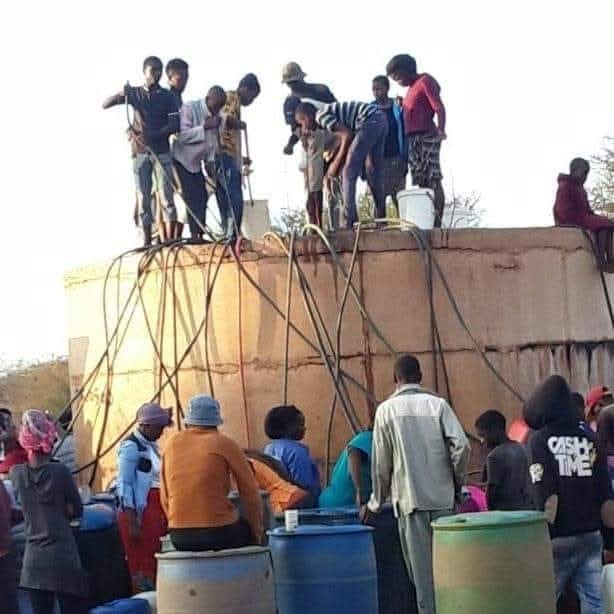
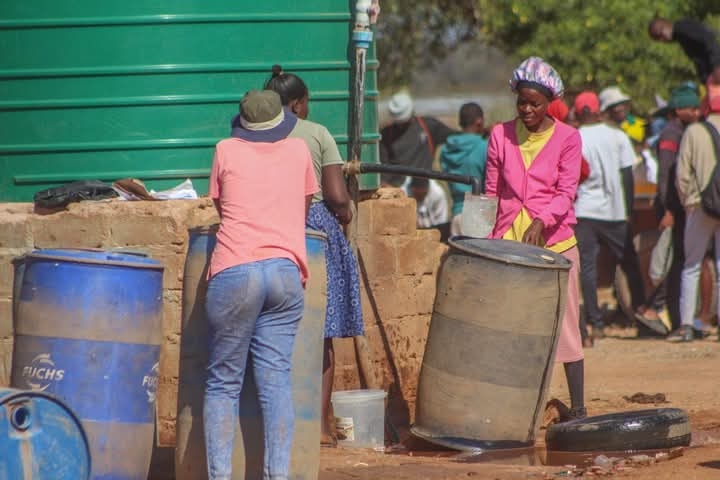
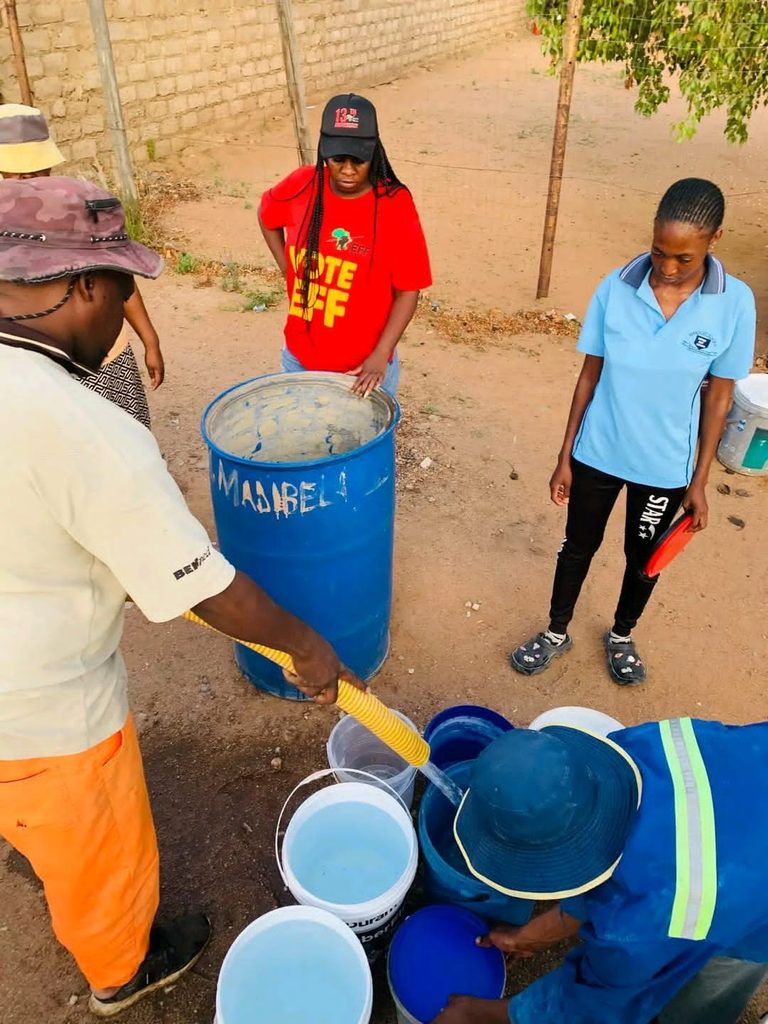
For residents of Blouberg, the concerns are not abstract political arguments. They are reflected in persistent unemployment, water challenges, poor road infrastructure and limited opportunities for young people.
When political leaders appear disconnected from these realities, public trust inevitably comes under pressure.
#PublicAccountability #ServiceDelivery #Leadership

What Must the People of Blouberg Demand?
Residents of Blouberg should not allow national political developments to overshadow the need for accountability at local level.
There are several important steps communities can take:
1. Demand transparency from national leadership
The public deserves clear explanations regarding the salary adjustments, the recommendations behind them and the decision-making process. Citizens have every right to question whether the increases are appropriate under the country’s current economic conditions.
2. Hold local representatives accountable
Councillors, municipal leadership and other public representatives must answer questions about service delivery and the use of public resources.
Residents should be able to ask why some communities continue to experience water shortages, inadequate roads and limited economic development while political leaders enjoy improved remuneration.
3. Put communities above political affiliations
Political accountability should not depend on party membership. Whether a person supports the ANC, DA, EFF, MK Party, ActionSA, PA or another political organisation, the responsibility to demand ethical leadership remains the same.
Party loyalty should never prevent citizens from questioning decisions made by their own political representatives.
4. Remember political conduct beyond election periods
Political accountability must continue long after election campaigns have ended. Communities should document promises, monitor performance and remember which representatives engaged with their concerns and which failed to provide meaningful answers.
#BloubergPolitics #CommunityVoices #LocalGovernment


A Message to the People of Blouberg
This debate should not be reduced to hatred towards politicians or opposition to coalition government. South Africa needs responsible leadership, effective cooperation and political stability.
However, stability without accountability risks becoming an arrangement that protects political interests rather than serving the public.
The people of Blouberg, from Senwabarwana to Alldays and Bochum, deserve leadership that understands their daily struggles and treats service delivery as a priority.
The Government of National Unity must demonstrate that cooperation between political parties does not mean abandoning accountability or sacrificing the interests of ordinary citizens.
Political leaders must remember that public office is a responsibility entrusted to them by the people, not an opportunity to place personal and political interests above the needs of society.
If political parties become reluctant to challenge one another, citizens must remain willing to ask difficult questions.
The people must never surrender their voices simply because political leaders have chosen to remain silent.
Let the people of Blouberg speak. Let accountability prevail, and let leadership be measured not by the positions politicians occupy, but by the difference they make in the lives of ordinary South Africans.
SA RAINBOW NEWS
Your Voice. Your Story. Your World.