Authored by: Captain SA | SA Rainbow News| 08 November 2026
JOHANNESBURG, SOUTH AFRICA – South Africa has officially concluded its 2026 Local Government Elections, marking another significant chapter in the country’s democratic journey. The Electoral Commission of South Africa (IEC) announced the final results on Sunday, 8 November 2026, following days of vote counting, verification and the finalisation of results across the country’s 213 municipal councils.
The elections, held on Wednesday, 4 November 2026, have delivered a significant shift in the country’s local political landscape, demonstrating that South Africans continue to exercise their democratic right to choose the political leadership they believe should govern their communities.
However, beyond political victories, electoral losses and coalition negotiations, the 2026 elections have also raised an important question: How seriously do South Africans value the power and responsibility that comes with voting?
For Elias Sibeko, who gained practical experience working within the IEC electoral process, the elections were not simply about political parties competing for municipal power. They were an opportunity to witness democracy in action, understand the importance of electoral participation and appreciate the dedication required to deliver a successful national voting process.

ANC REMAINS THE LARGEST PARTY, BUT THE POLITICAL LANDSCAPE HAS CHANGED
The IEC’s final results confirmed that the African National Congress (ANC) remains South Africa’s largest political party nationally, although its support has declined considerably.
The top five political parties by national vote share were announced as follows:
1. African National Congress (ANC)
- National vote share: 30.89%
- Council seats: 3,164
2. Democratic Alliance (DA)
- National vote share: 24.60%
- Council seats: 1,527
3. uMkhonto weSizwe Party (MK Party)
- National vote share: 9.61%
- Council seats: 701
4. Economic Freedom Fighters (EFF)
- National vote share: 6.25%
- Council seats: 505
5. ActionSA
- National vote share: 5.68%
- Council seats: 219
Other political parties and independent candidates collectively received 22.97% of the national vote.
The results demonstrate an increasingly competitive political environment in which voters are distributing their support across different political formations.
The ANC secured outright control in 51 municipalities, while the DA secured outright control in 12. The Inkatha Freedom Party (IFP) secured five, the MK Party three, and Rise Tsantsabane Communities secured one municipality.
According to the IEC, 72 of the 213 municipal councils have outright majorities, while 127 councils were identified as hung councils, where no single political party secured more than 50% of the seats.
This means coalition negotiations and cooperation between political parties will play an important role in determining the leadership and administration of many municipalities.
South Africans will now be looking beyond election promises and political campaigns, expecting elected representatives to demonstrate accountability, effective leadership and a commitment to improving service delivery.
#Election2026 #DemocracyInAction #SARainbowNews
IEC DESERVES RECOGNITION FOR ITS ROLE IN STRENGTHENING DEMOCRACY
While political parties were competing for votes, the IEC was responsible for ensuring that the electoral process was organised, coordinated and conducted in accordance with the country’s democratic and constitutional principles.
Sibeko acknowledges the important role played by the Commission throughout 2026, particularly its voter education and public awareness initiatives ahead of Election Day.
The IEC undertook various community engagement activities aimed at educating citizens about the importance of voting, the background and responsibilities of the Electoral Commission, the meaning of democracy and why every eligible citizen should participate in elections.
These initiatives helped create awareness about the electoral process while giving communities an opportunity to understand their democratic rights and responsibilities.
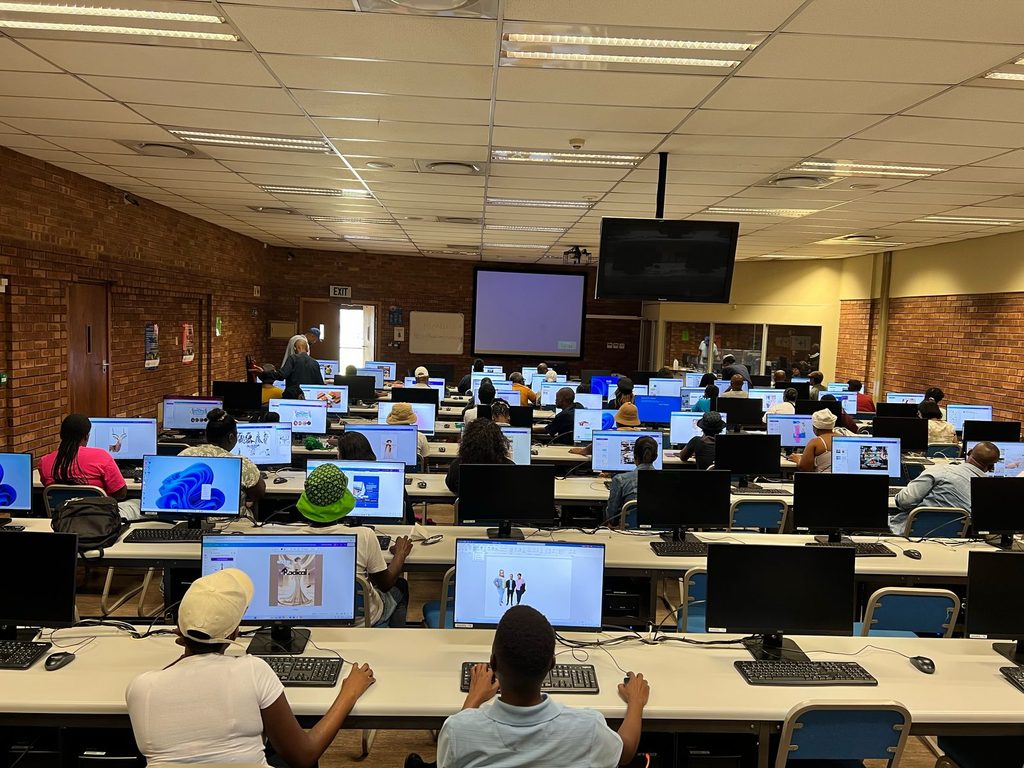
The Commission also created opportunities for citizens to participate in the electoral process through temporary employment, training and practical involvement in election operations. These opportunities allowed individuals to gain valuable workplace experience while contributing to an important national responsibility.
For Sibeko, being part of the electoral process provided practical exposure to coordination, administration, public engagement, voter assistance and the importance of maintaining fairness and professionalism in a democratic environment.
He particularly acknowledges the training provided to election officials before Election Day, which helped prepare workers for their responsibilities at voting stations.
He also appreciates the support provided to officials during their demanding working hours, including lunch on 4 November as they continued serving members of the public.
Election officials worked under demanding conditions, managing voting stations, assisting voters, maintaining order, coordinating procedures and ensuring that votes were properly accounted for during the counting process.
Their contribution deserves recognition because a successful election does not depend exclusively on the institution’s leadership. It also depends on the dedication of the people working on the ground.
The IEC’s Chairperson, Mosotho Moepya, acknowledged the contribution of permanent and temporary election staff, noting the long hours and demanding conditions involved in planning and executing the elections.
#ThankYouIEC #ElectionOfficials #CommunityDevelopment
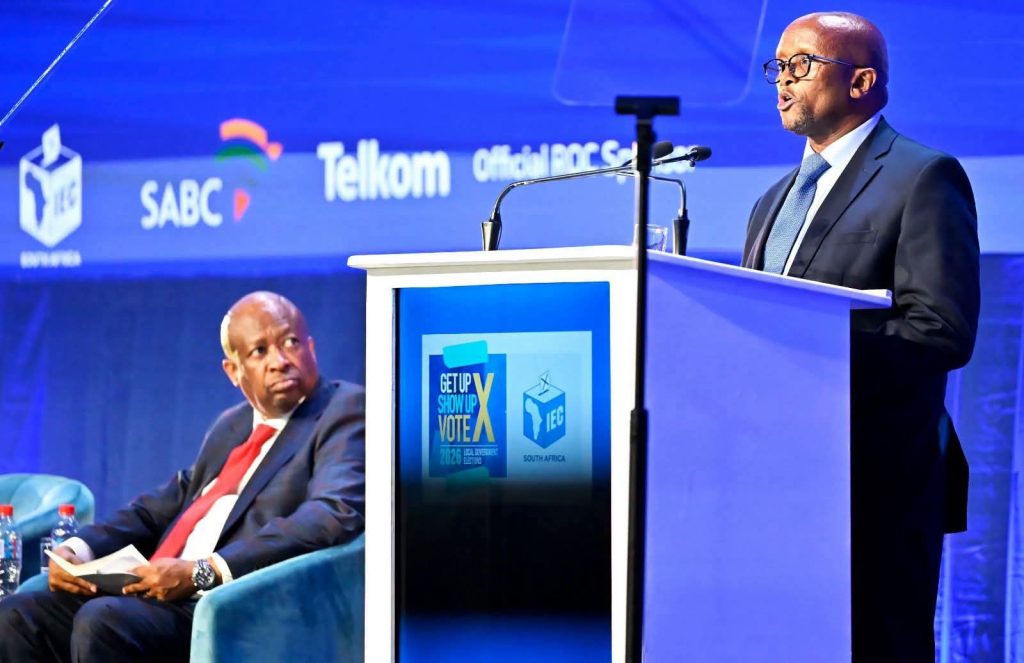
A PERSONAL OBSERVATION: SOUTH AFRICANS MUST TAKE THEIR VOTE SERIOUSLY
One of the most significant lessons Sibeko says he took from his experience was observing different attitudes towards voting among people from different communities.
During his time at voting stations, he noticed that some white, coloured and Indian voters demonstrated a particularly strong commitment to participating in the elections. Some arrived early, stood patiently in queues and waited for voting stations to officially open.
He also observed confidence, enthusiasm and positive engagement between some of these voters and the IEC officials who were there to assist them.
At the same time, he was concerned by what he perceived as lower participation and less enthusiasm among some black voters at the stations where he served.
Sibeko acknowledges that there are many reasons why people may choose not to vote, including political disappointment, unemployment, frustration with service delivery, broken promises and a lack of confidence in political leadership.
Nevertheless, he believes these frustrations should not become a reason for citizens to surrender their democratic power.
He emphasises that these were his personal observations during the election process and not a judgement of every individual or community.
His message, particularly to black South Africans, is one of reflection, responsibility and encouragement.
South Africa’s democratic freedom was achieved through the sacrifices and struggles of generations who fought for the right of every citizen to participate in choosing the country’s leadership.
That right should never be treated as insignificant.
Citizens cannot continuously demand change while abandoning one of the most important constitutional instruments available to them to influence political leadership.
If people do not participate in elections, they surrender an opportunity to influence the direction of their communities and country.
Sibeko believes South Africans must learn from one another, encourage greater participation and build a culture in which voting is regarded as an important responsibility rather than an optional activity.
#YourVoteYourPower #YouthParticipation #BlackCommunities

52% VOTER TURNOUT: PROGRESS, BUT MORE WORK REMAINS
The IEC confirmed that approximately 14.9 million South Africans participated in the 2026 Local Government Elections out of approximately 29.2 million registered voters.
This represents a national voter turnout of 52%, an improvement from the 45.9% recorded during the 2021 Local Government Elections.
Although the increase is encouraging, it also means that a substantial proportion of registered voters did not participate.
For Sibeko, the figures should encourage further conversations about political awareness, civic education and the importance of voter participation, particularly among young people.
Young South Africans must understand that local government directly influences their everyday lives.
Municipal leadership plays an important role in water provision, electricity, roads, sanitation, waste management, public facilities, local economic development and the delivery of essential services.
The decisions made by municipal representatives affect households, businesses, schools, community organisations and future generations.
This is why young people should not distance themselves from political and democratic processes.
They must register, educate themselves about political programmes, understand the responsibilities of elected representatives and participate in elections.
Sibeko encourages young people to avoid voting based solely on political popularity, personalities or party colours. Instead, they should assess leadership capacity, integrity, accountability, development plans and the ability to deliver meaningful change.
As South Africa looks towards its next national and provincial elections, the lessons of 2026 must inspire stronger democratic participation.
The youth must stand up, take responsibility and become active participants in shaping the future of their country.
KWAZULU-NATAL DEMONSTRATES THE POWER OF POLITICAL HUMILITY AND UNITY
One of the encouraging developments surrounding the 2026 elections was the spirit of humility, unity and peaceful interaction demonstrated by political participants in KwaZulu-Natal.
Sibeko acknowledges the positive atmosphere created when representatives and supporters from different political formations came together to connect, appreciate one another’s efforts and celebrate their participation in the electoral process.
Despite competing for political support and representing different political ideologies, they demonstrated that political differences do not have to result in hostility, hatred or division.
The willingness to engage, share moments of celebration and recognise one another’s participation offers an important lesson for South Africa.
Democracy is about competition, different ideas and the freedom to choose. It should never become an excuse for treating political opponents as enemies.
The IEC Chairperson also highlighted scenes in Pietermaritzburg where supporters of different political parties danced together after a voting station closed.
Such moments demonstrate that political tolerance and peaceful coexistence are possible, even in an environment of intense political competition.
South Africans should embrace this spirit beyond election periods.
Communities need leaders and political supporters who understand that, regardless of political affiliation, everyone ultimately shares a responsibility to build a better country.
#PoliticalTolerance #UnityInDiversity #KwaZuluNatal

VOTING IS POWER: A SECRET WEAPON FOR EVERY CITIZEN
Sibeko believes that voting remains one of the most powerful democratic instruments available to ordinary South Africans.
A single vote may appear insignificant to an individual, but collectively, millions of votes determine who receives the mandate to govern.
Voting provides citizens with an opportunity to express their preferences, reward effective leadership, reject poor performance and demand a different direction.
It also gives communities an opportunity to influence who represents their interests in municipal councils.
His message is clear:
Voting is power. Voting is a voice. Voting is a democratic weapon that every eligible citizen should use responsibly.
When citizens refuse to participate, they risk allowing decisions about their communities to be determined without their involvement.
However, voting should not end once a ballot paper has been placed in a ballot box.
Citizens must continue attending community meetings, engaging with ward councillors, questioning municipal decisions and holding elected representatives accountable.
Democracy requires continuous participation, not only participation every few years.
A MESSAGE TO THE NEXT GENERATION: BE THE CHANGE YOU WANT TO SEE
As the country reflects on the outcome of the 2026 Local Government Elections, Sibeko calls on young South Africans to become more involved in shaping the country’s political and social future.
Young people must recognise that the future of South Africa cannot be left entirely in the hands of political leaders.
They must become informed citizens, responsible voters, community organisers and active participants in development initiatives.
Political awareness should begin in homes, schools, universities, churches, community organisations and other spaces where young people gather.
Families should encourage discussions about democracy, leadership, public accountability and the importance of participating in elections.
Community organisations and civil society structures also have an important role to play in promoting voter education, especially in communities where political disengagement remains a concern.
Sibeko further encourages young people to understand that democracy gives them an opportunity to influence the direction of the country without resorting to violence or destructive behaviour.
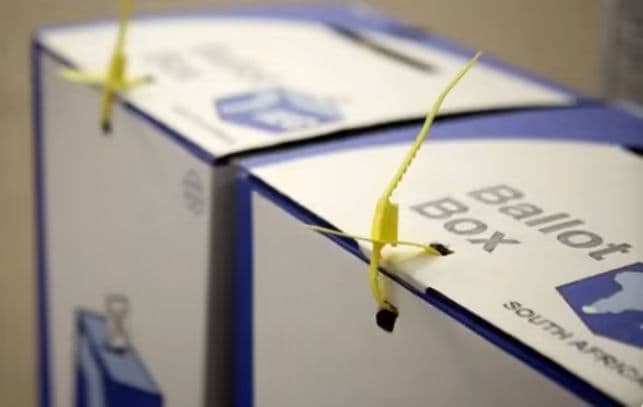
The ballot box provides a peaceful and constitutional way to express political choices.
His appeal to black South Africans is particularly direct:
“We must become the change we want to see. We cannot afford to remain spectators in a country whose future belongs to all of us. Our vote matters, our voices matter and our participation matters.”
CONCLUSION: DEMOCRACY DOES NOT END WITH THE ANNOUNCEMENT OF RESULTS
The announcement of the 2026 Local Government Election results marks the conclusion of an important electoral process, but it also signals the beginning of another responsibility.
Political parties must now demonstrate that they are capable of working together where necessary, respecting the democratic mandate and prioritising the needs of communities.
Newly elected councillors must understand that public office is a responsibility entrusted to them by voters, not a personal entitlement.
The IEC deserves recognition for its work in organising the elections, educating citizens and coordinating the thousands of officials and stakeholders involved in the process.
Election officials, temporary workers, observers, political representatives, independent candidates and voters all contributed to this important democratic exercise.
For Elias Sibeko, the experience has reinforced the importance of civic responsibility, public service, teamwork and the power of democratic participation.
His appreciation extends to the IEC for providing him with an opportunity to gain practical experience while contributing to the country’s electoral process.
Ultimately, South Africa needs citizens who are willing to participate, leaders who are prepared to serve and political formations that understand that the country’s interests must come before party differences.
The next generation must not inherit a culture of political disengagement. It must inherit a culture of participation, accountability and responsibility.
Do not wait for someone else to determine the future you want. Register. Educate yourself. Participate. Vote. Hold your leaders accountable.
Your vote is your voice. Your participation is your power. Your future is your responsibility.
Black South Africans, be the change you want to see. South Africa belongs to all who live in it.
Your Voice. Your Story. Your World.
#SARainbowNews #Election2026 #IEC