

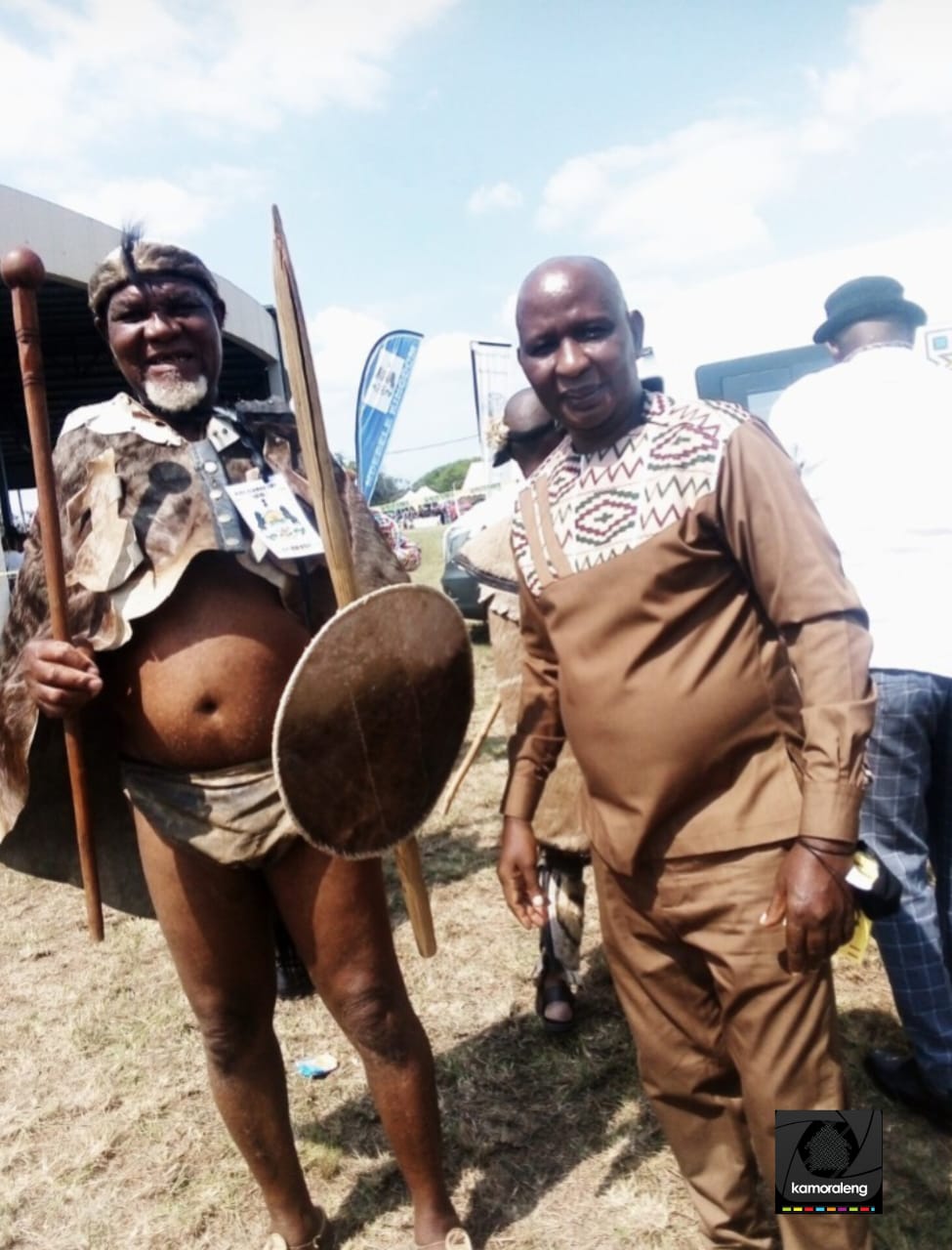
Authored by: Develd Monyai | SA Rainbow News | 27 April 2026
Develd Monyai, Founder and CEO of Kamoraleng Heritage Institute, shares a thought-provoking and critical reflection on the meaning of Freedom Day in South Africa. For him, freedom remains an incomplete promise. He highlights that despite the democratic breakthrough of 1994, many South Africans still live in poor conditions, particularly in informal settlements. He argues that the government’s “blanket approach” to addressing spatial inequality has failed to adequately consider the unique challenges faced by the urban poor. The COVID-19 pandemic, he notes, further exposed the deep-rooted spatial injustices that continue to define South African society. As the saying goes, “there is nothing more unequal than the equal treatment of unequals.”

#FreedomDay #SocialJustice #SpatialInequality #SouthAfrica
Reflecting on his personal connection to the historic 1994 democratic elections, Monyai recalls being a young peace monitor recruited by Mr. Sam Mbalati, who was responsible for the Independent Electoral Commission (IEC) in Midrand. In this role, he helped mediate conflicts between political rivals, particularly between the ANC and IFP, contributing to peace-building efforts during a pivotal moment in the country’s history.
#Democracy #1994Elections #PeaceBuilding #SouthAfricaHistory
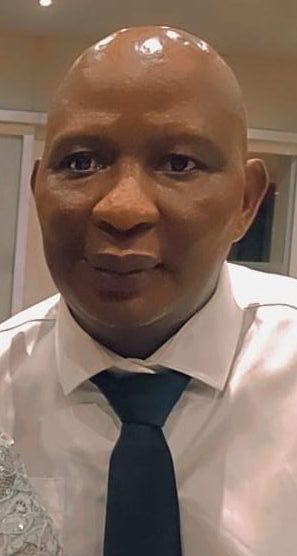
Monyai firmly believes that South Africans are not yet truly free. He points to the continued exclusion of black people from the mainstream economy and unresolved land ownership issues as major barriers. According to him, true freedom cannot exist while vast inequalities persist—where some communities enjoy full land ownership while others remain confined to overcrowded informal settlements.
#EconomicFreedom #LandReform #Equality #Justice
In his daily life, he observes that while opportunities do exist, systemic barriers—particularly bureaucratic red tape—prevent many black South Africans from accessing funding and advancing economically. This lack of access continues to widen inequality and limit meaningful participation in the economy.
#AccessToFunding #EconomicBarriers #Entrepreneurship
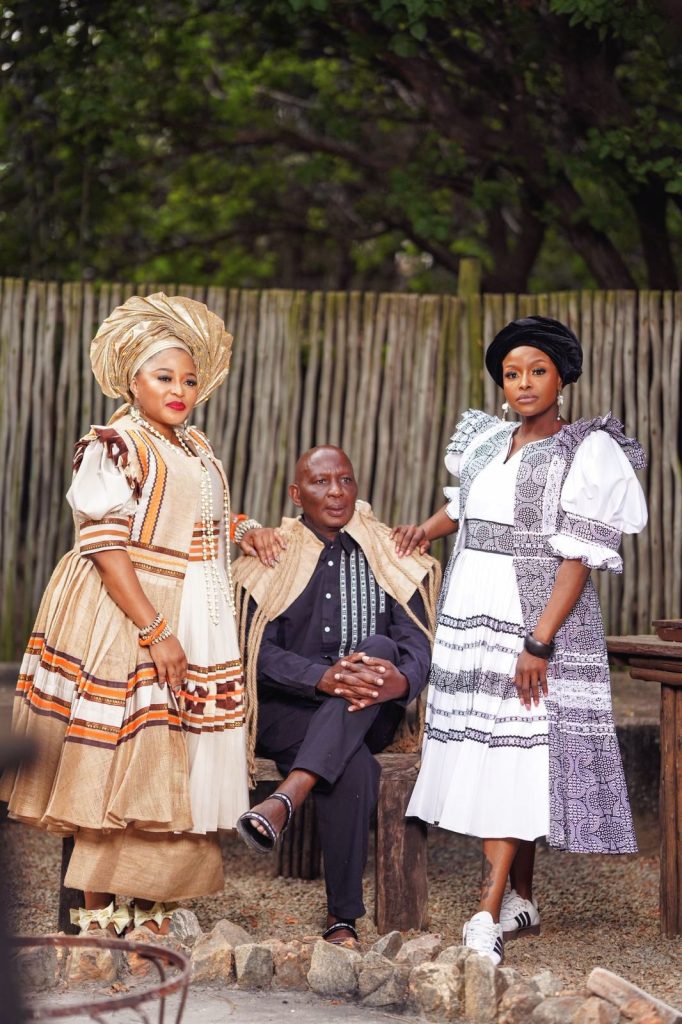
While acknowledging some progress since 1994, such as the establishment of student funding initiatives, Monyai notes that these efforts have often been overshadowed by controversy and inefficiencies. He believes that more needs to be done to ensure that such programmes truly benefit those they are intended to serve.
#Education #StudentFunding #Development

Among the biggest challenges limiting true freedom today, he identifies lack of funding and poorly structured market spaces. He explains that inadequate infrastructure often leads to conflict between street vendors and motorists, highlighting the need for more inclusive and functional economic environments.
#InformalEconomy #CommunityChallenges #UrbanDevelopment
Monyai expresses concern that poor government policies have left many individuals feeling stuck, unable to fully utilise their freedoms to improve their lives or uplift their communities. He also stresses that the youth voice is often silenced, with a lack of clear policies and programmes that genuinely address youth development and empowerment.
#YouthEmpowerment #PolicyReform #CommunityDevelopment
He further argues that today’s generation does not fully understand the significance of Freedom Day, largely due to the absence of strong role models and mentorship. The individuals who should be guiding and educating young people about the country’s history and values are often not present or active.
#YouthAwareness #Leadership #Heritage
In his message to South African leaders, Monyai calls for unity and action. He urges leaders to stand in solidarity and implement meaningful programmes that address the real needs of young people, who are the future of the nation.
#Leadership #FutureLeaders #Unity
In conclusion, Develd Monyai challenges South Africans to shift their mindset. Rather than waiting for opportunities, he encourages individuals to build and take pride in their heritage while actively promoting entrepreneurship. For him, the path to true freedom lies in self-empowerment, cultural identity, and economic participation.
I agree completely. It’s easy to get caught up in the celebrations, but it’s important to keep asking these difficult questions about whether true equality has been achieved for everyone.
Powerful Beyond Reality